Vibrant playgrounds filled with laughter as children slide down colorful structures and swing through the air represent more than just childhood joy—they embody precision engineering and material science working in harmony. The transformation from design concepts to durable play equipment relies on specialized rotational molding molds that meet rigorous international safety standards.
I. Safety as Priority: The Value of SGS Certification
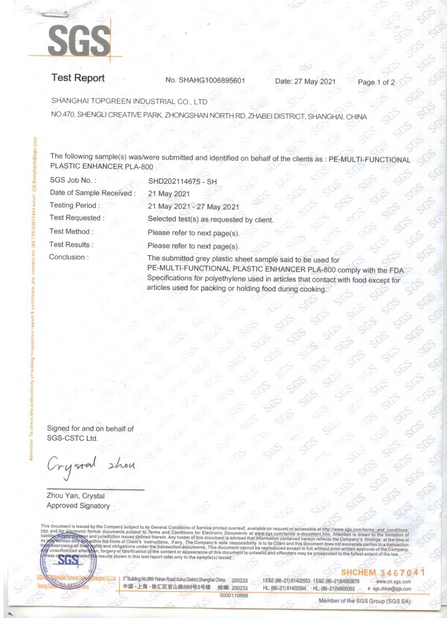
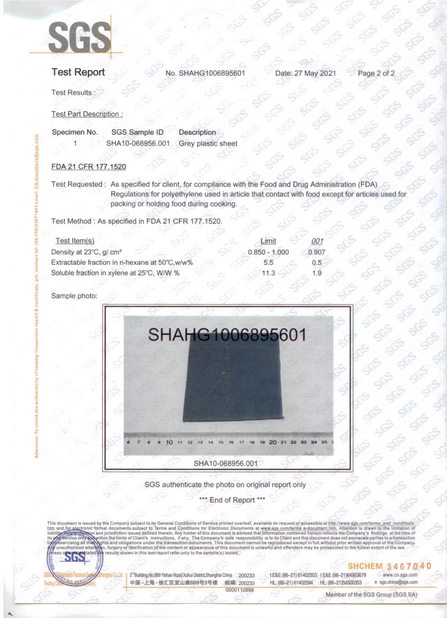
In children's play equipment manufacturing, safety considerations dominate all technical decisions. SGS (Société Générale de Surveillance), the global leader in inspection, verification, testing and certification, provides the gold standard for product safety evaluation. For rotational molding molds producing outdoor play equipment, SGS certification verifies compliance with international standards across multiple dimensions:
- Material selection ensuring non-toxic, UV-resistant compounds
- Manufacturing processes guaranteeing structural integrity
- Performance testing for impact resistance and durability
- Environmental compliance regarding recyclability and sustainability
This certification represents both technical validation for manufacturers and a safety promise to end-users—children who will interact with the equipment daily. The testing protocols specifically evaluate resistance to cracking, color fading, and material degradation under prolonged outdoor exposure.
II. Precision Engineering: The Science of Rotational Molds
Rotational molding (roto-molding) involves heating plastic material inside a hollow mold that rotates on two perpendicular axes, distributing the material evenly to form seamless hollow structures. This process proves ideal for playground equipment due to its ability to create:
- Complex geometric shapes without structural weak points
- Uniform wall thickness throughout the component
- Integrated color throughout the material (no surface painting required)
Design Technology Implementation
Modern mold creation begins with advanced CAD/UG 3D modeling software that enables:
- Accurate digital prototyping of playground components
- Structural analysis for load-bearing optimization
- Precision dimensioning for safety-critical connections
Manufacturers can translate client designs into production-ready molds while suggesting technical improvements for manufacturability. A slide's curvature, platform joints, and handrail connections all receive engineering analysis during this phase.
Material Selection Fundamentals
Mold construction materials directly affect product quality and longevity. The industry primarily utilizes:
- Aluminum alloys (A356, cast aluminum): Preferred for excellent thermal conductivity, machinability, and cost efficiency
- Forged aluminum: Provides enhanced strength for large-scale components
Typical mold thickness ranges from 8-12mm, adjustable based on product size and complexity requirements. Aluminum's thermal properties ensure even heat distribution during the molding process, reducing internal stresses in finished products.
Surface Finish Considerations
Mold surface treatment determines both aesthetic and functional outcomes:
- Mirror polishing: Creates smooth surfaces for easy cleaning
- Textured finishes: Provides slip resistance on climbing surfaces
III. Manufacturing Process: From Concept to Certified Product
The production of high-quality rotational molds follows a meticulous sequence:
- Design confirmation: Client specifications undergo technical review
- Prototyping (when required): CNC-machined foam prototypes validate complex designs
- Mold casting: Aluminum poured into precision patterns
- CNC machining: Computer-controlled milling achieves final dimensions
- Structural reinforcement: Strategic ribbing prevents deformation
- Surface refinement: Polishing to specified roughness levels
- Assembly: Integration with rotation mechanisms
- Quality inspection: Dimensional verification and performance testing
IV. Material Advantages in Finished Products
Rotational molding primarily utilizes polyethylene compounds (LDPE, LLDPE, HDPE) selected for:
- Impact resistance from repeated use
- UV stability through specialized additives
- Chemical inertness (no leaching of harmful substances)
- Temperature tolerance (-40°C to 60°C operational range)
These material properties combine with the rotational molding process to create playground equipment with:
- Seamless construction eliminating failure points
- Consistent wall thickness for uniform strength
- Integrated color that won't chip or peel
- Low maintenance requirements (simple cleaning with mild detergents)
V. Global Quality Validation
International client feedback highlights the real-world performance of certified rotational molding solutions:
- "The product quality exceeded expectations, with excellent post-sale support." — Industrial buyer, Israel
- "Order modifications were handled efficiently with professional communication." — Municipal purchaser, United States
- "Consistent quality has established our long-term partnership." — Playground developer, Saudi Arabia
Such evaluations demonstrate how technical excellence combined with reliable service builds enduring industry relationships.
VI. Production Capacity and Technical Infrastructure
Modern manufacturing facilities support large-scale production through:
- Multiple rotational molding machines accommodating various sizes
- Precision temperature and rotation control systems
- In-process quality monitoring at each production stage
The complete production chain ensures consistent output from raw material preparation to final packaging.
VII. Logistics and Protective Packaging
Finished products ship with protective measures appropriate to their dimensions:
- Heavy-duty pallets for large molds
- Custom wooden crating for delicate components
- Climate-controlled containers when required
VIII. Technical Specifications and Customization
Manufacturing capabilities extend across diverse product categories including:
- Playground structures (slides, climbing frames, playhouses)
- Recreational equipment (sandboxes, water play components)
- Site furnishings (benches, shade structures)
Custom solutions accommodate unique design requirements while maintaining safety compliance through the rotational molding advantage of seamless, stress-free construction.


 يجب أن تكون رسالتك بين 20-3000 حرف!
 Arabic